
Explicit Profile: Accelerating Personalization Through User-Driven Preferences for a Better Shopping Experience
Tokopedia’s recommendation engine relied heavily on behavioral signals, requiring up to 197 product views, 20 add-to-carts, and 5 chats to generate useful personalization for a single user. That level of data takes time, causing users to miss relevant product discovery moments early on.
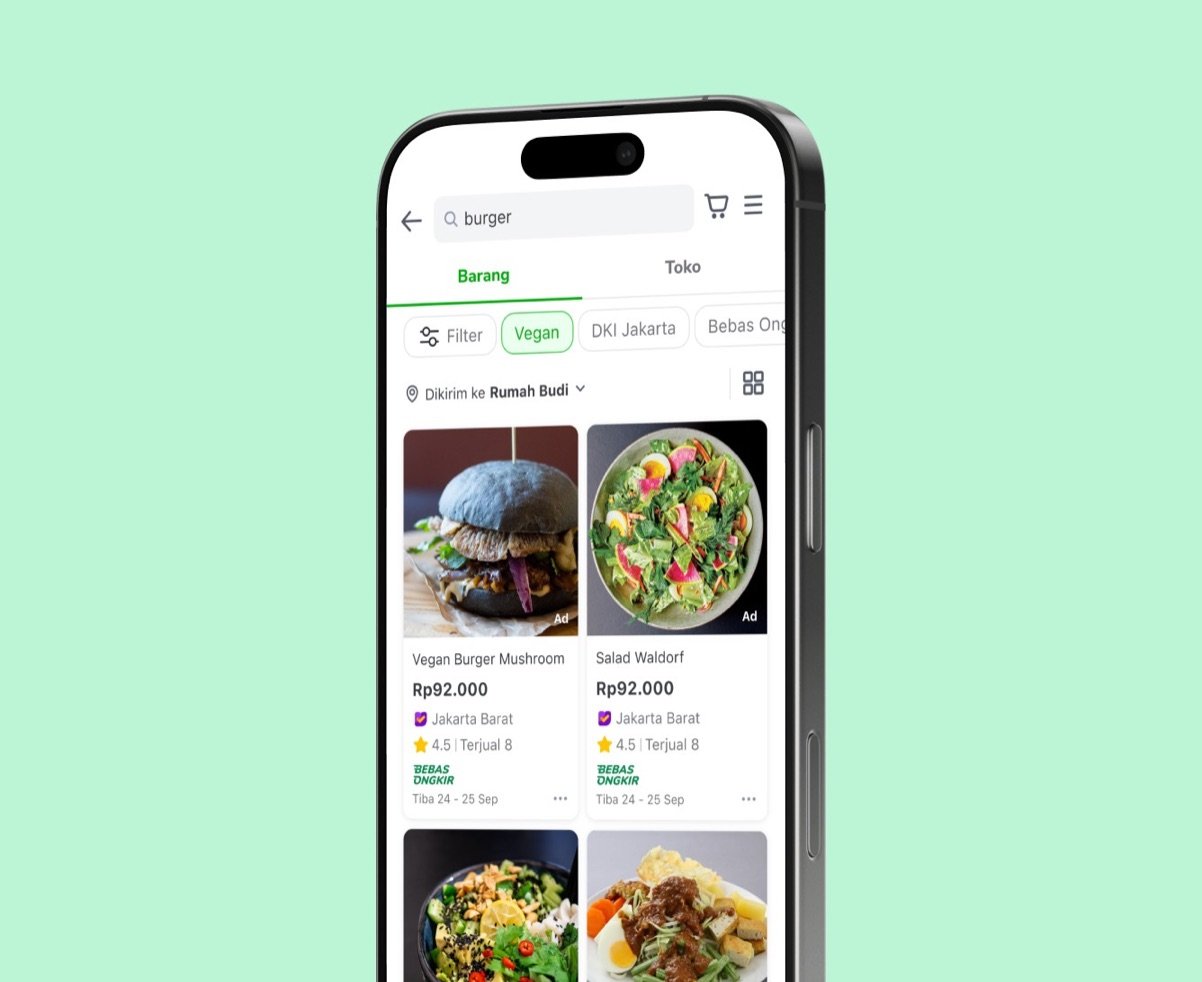
To solve this, we explored an explicit profile approach asking users directly about their shopping preferences. This provided faster, more accurate inputs for Recommendations, Personalization, and Search, without waiting for long behavioral build-up.

Disclaimer: This is a high-level project overview. For the full case study or more details, feel free to reach out at olehabib98@gmail.com.
Key Challenges
The value was clear, but the execution was full of complexity from platform constraints to ownership gaps across teams. I had to lead the design not just as a flow, but as a long-term, scalable system.
- 01
How do we place the widget where it feels natural, contextual, and visible to users?
- 02
How do we design around platform limitations while maintaining a quality experience?
- 03
How do we ensure this feature is scalable, sustainable, and easy to evolve?
Design Process
- 01Define behavioral limitations
- 02Explore entry points & early ideas
- 03Test concepts for team buy-in
- 04Co-design with cross-teams (related with their page module)
- 05Create widget component, design and its interaction logic
- 06Validate with usability testing
- 07Handle themes & interaction states
- 08Finalize components, design flow & documentation
Key strategy
We designed beyond the feature, building a scalable system that balances user context, platform constraints, and future personalization needs.
Key Solutions
- 01
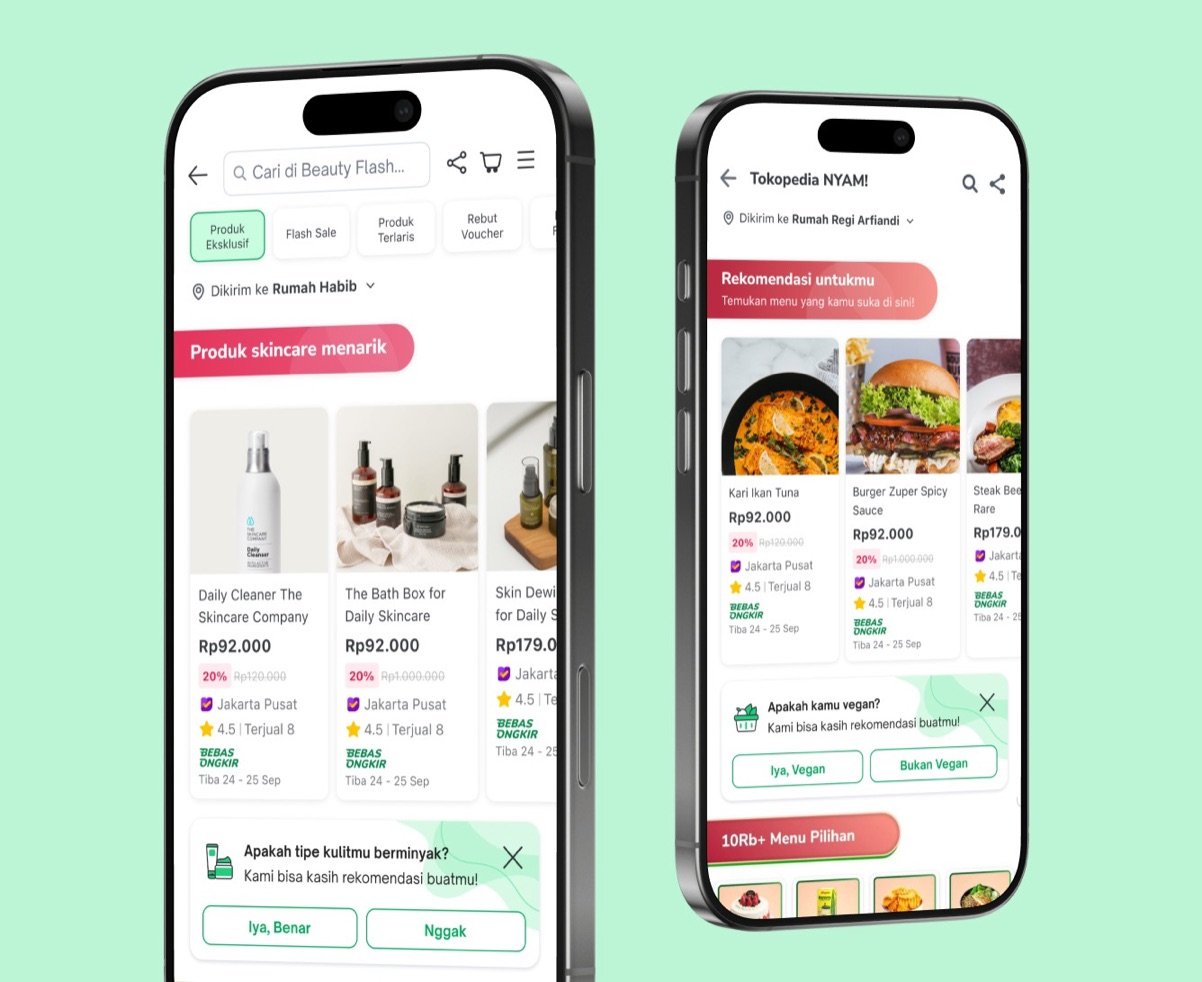
Contextual placement in NYAM (Food page)
After facing visibility issues on Home and technical limits on Discovery page, we chose NYAM as the most contextual and timely surface for this feature, improving its discoverability and perceived relevance.
- 02
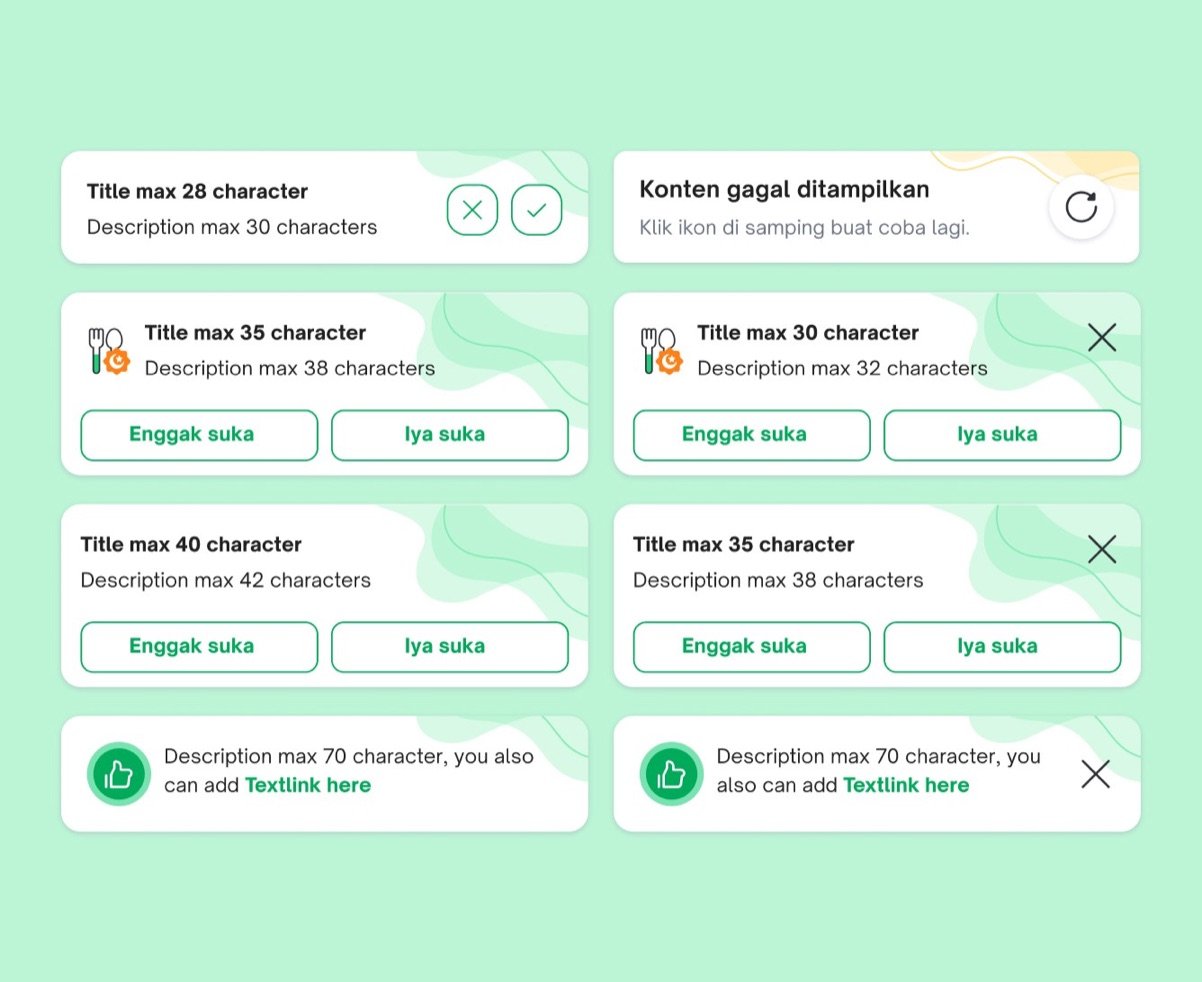
New widget component with system-level thinking
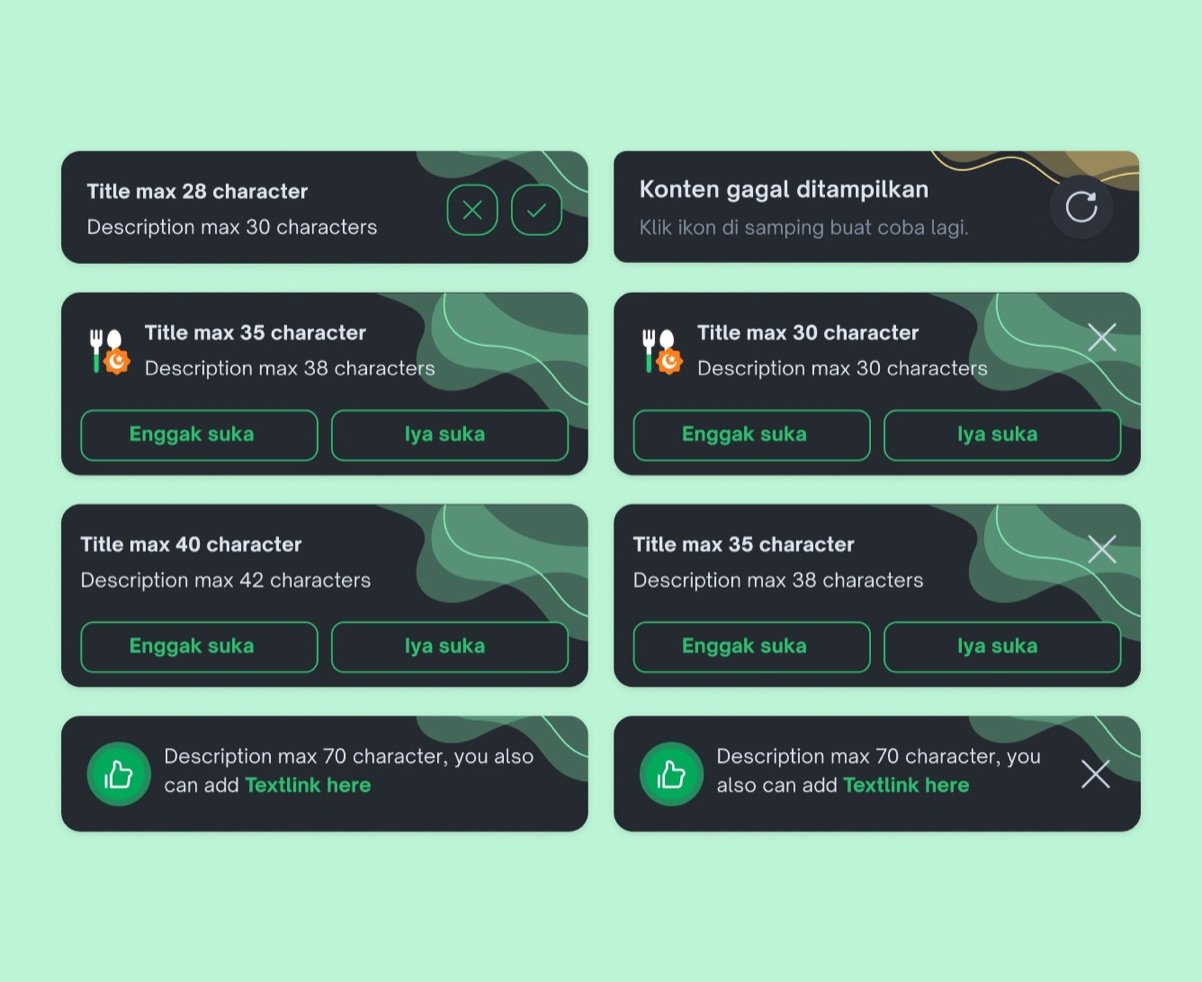
Instead of adjusting existing UI, we built a fully custom component free from legacy constraints. It’s responsive, supports light and dark themes, and introduces microinteractions for smoother UX.
- 03
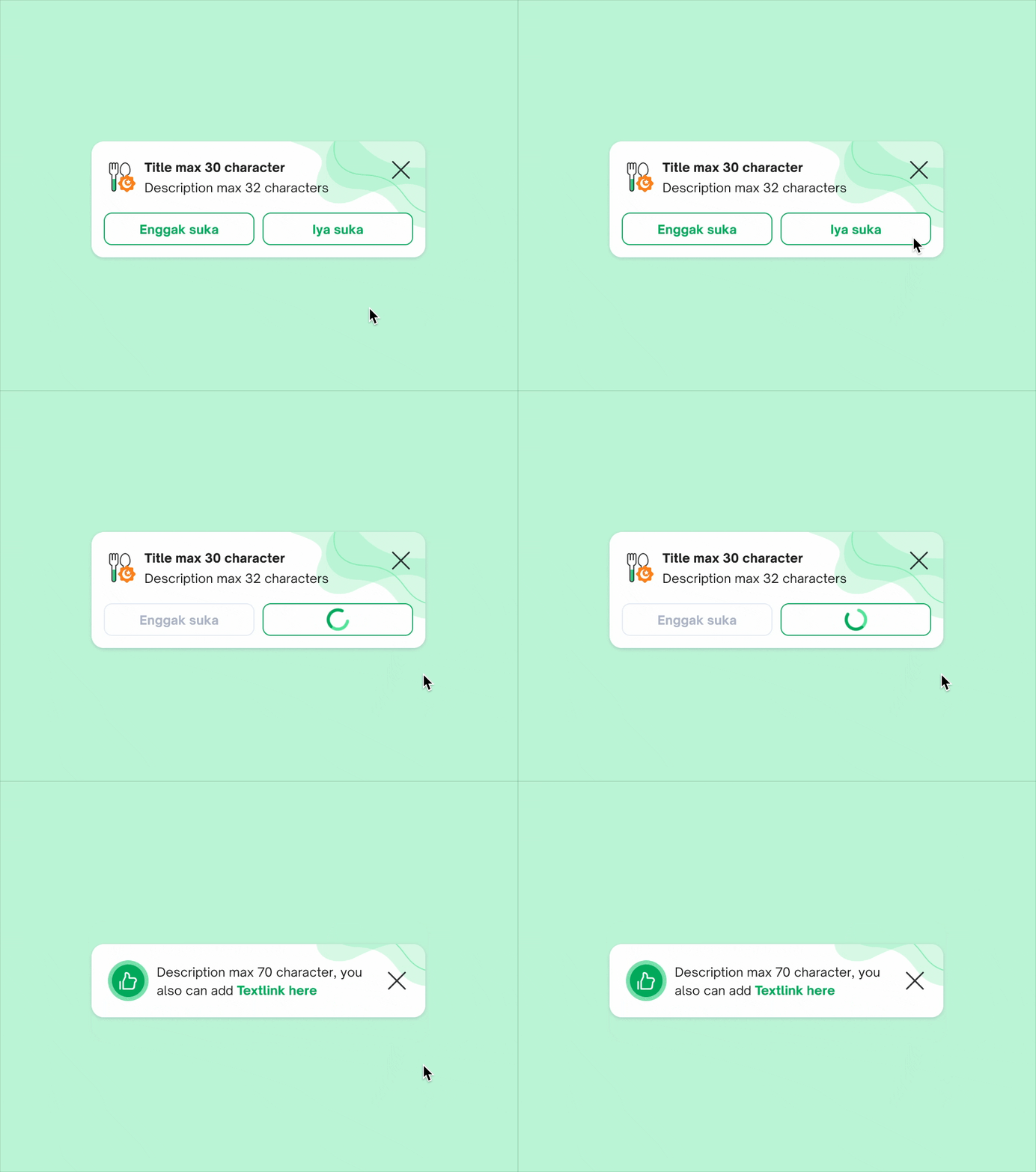
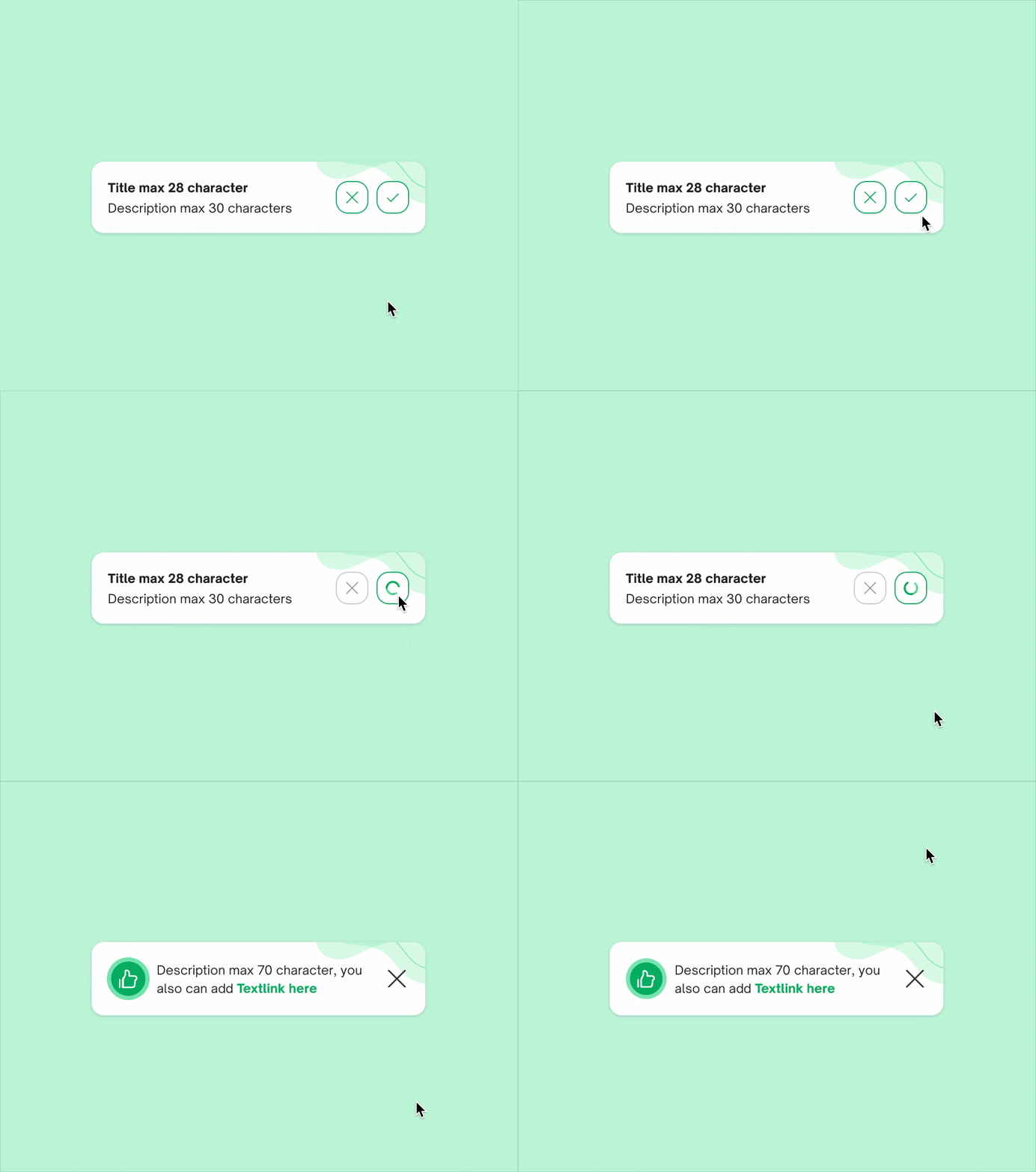
Thoughtful interaction states
We designed all major states intentionally:
- Start state to invite users
- Click animations and microinteractions to make input feel responsive
- Finish state that thanks users and guides them on how to edit preferences
- Error state to handle server issues gracefully
- 04
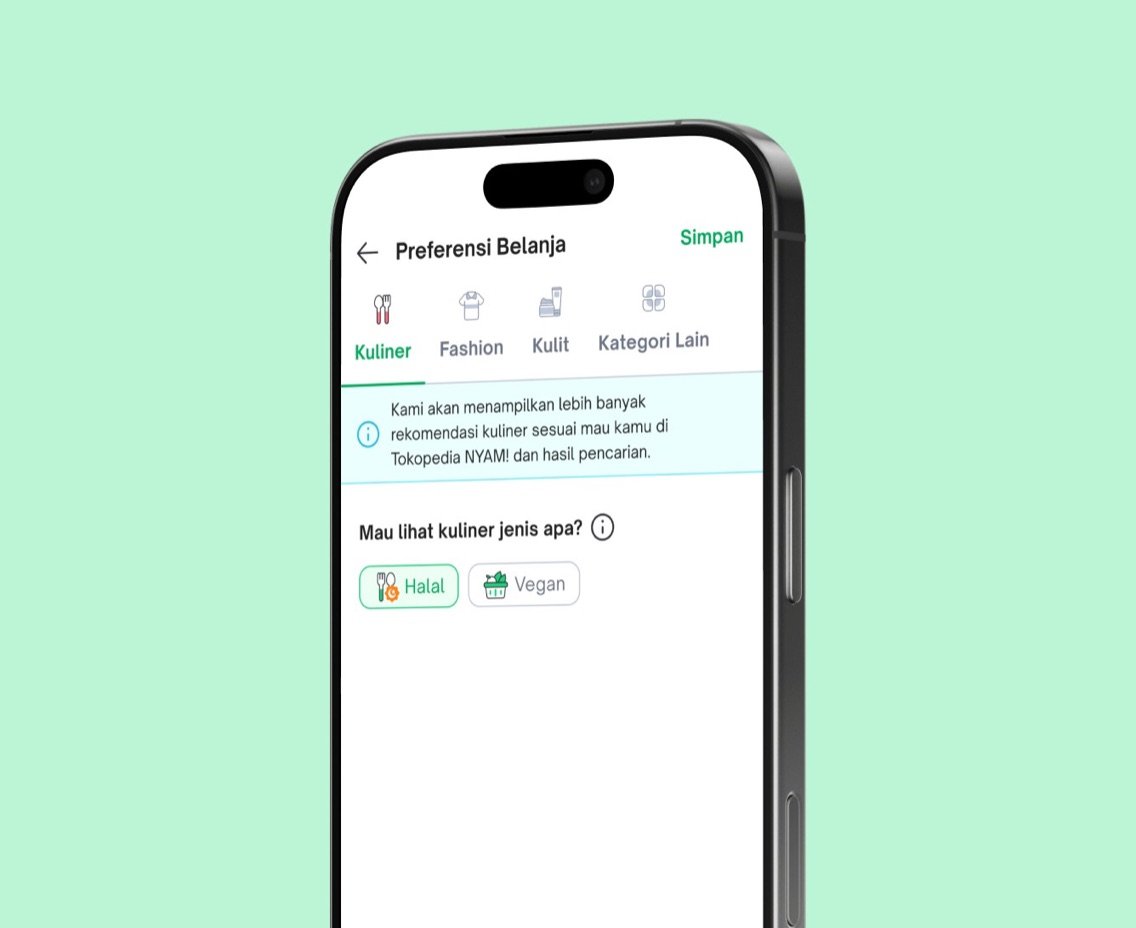
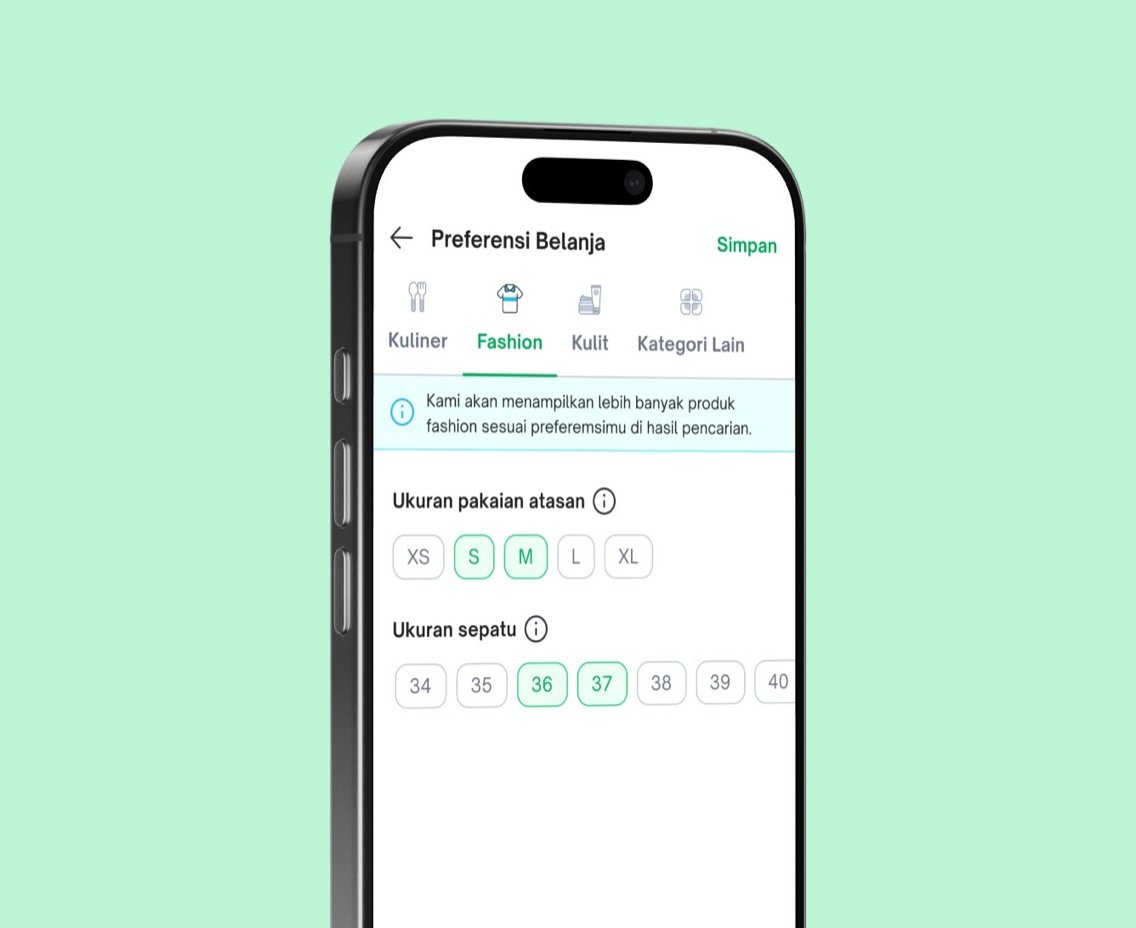
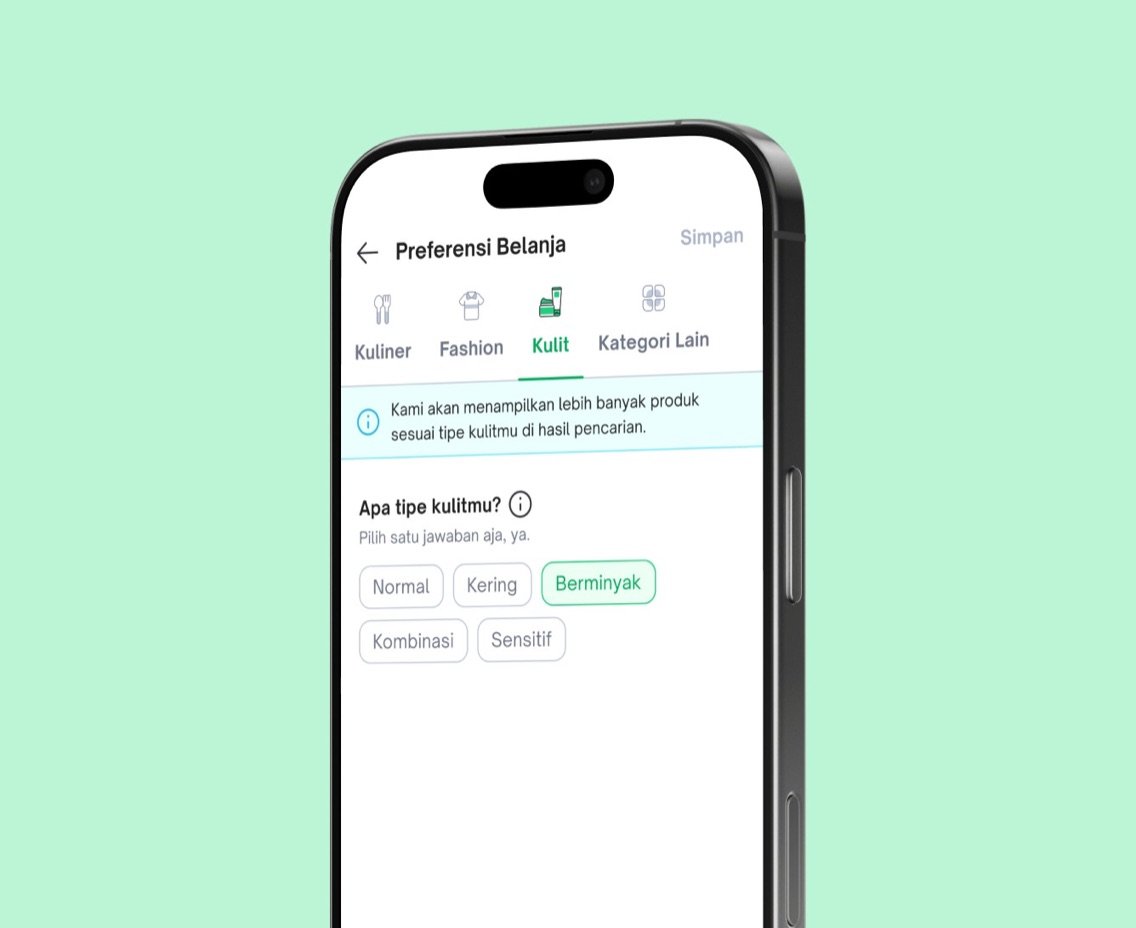
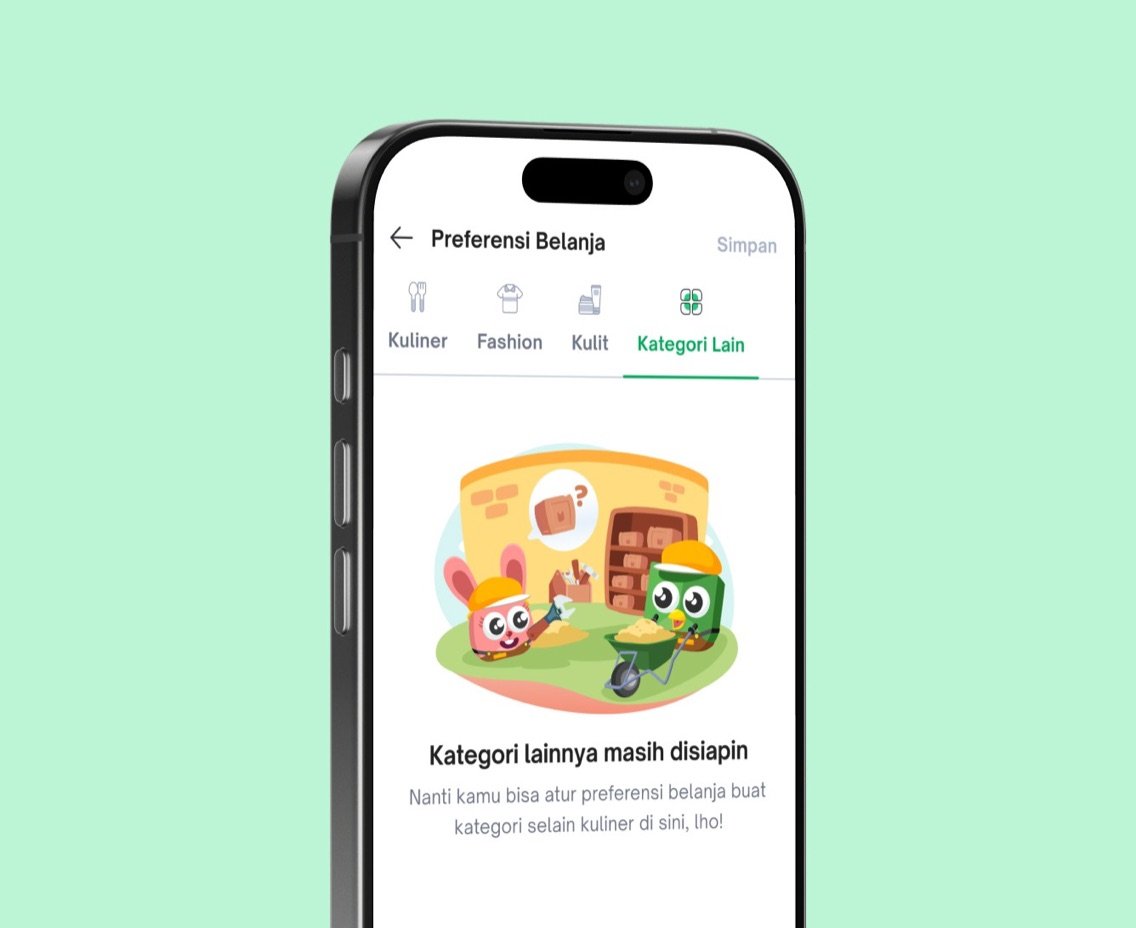
Persistent preference management in Settings
A dedicated section in Settings > Shopping Preferences lets users view, edit, or disable their explicit profile. It’s also where new preference categories can be added and maintained over time.
- 05
Scalable questionnaire structure
To ensure smooth updates and future adaptability, we designed a flexible question format that supports adding, removing, or modifying preferences with minimal redesign.
- 06
Deep cross-team collaboration
I initiated and led co-design sessions with four different teams to align both UX and platform capabilities. This helped unblock long-standing implementation challenges and accelerated decision-making.
Outcome Highlights
-
~2.5× Potential Conversion
Once launched, users who fill out their Explicit Profile are expected to convert up to 2.5x better in Recom, Search, and Personalization based on internal behavior benchmarks.
-
Scalable Component
The new widget and Shopping Preferences Page were designed with future growth in mind reducing future rework and supporting continuous product evolution.
Collaborator
- Product Manager (Alman, Glenn)
- UX Writer (Nona)
- Engineering Team